Book writing software for writing a novel in Sindhi
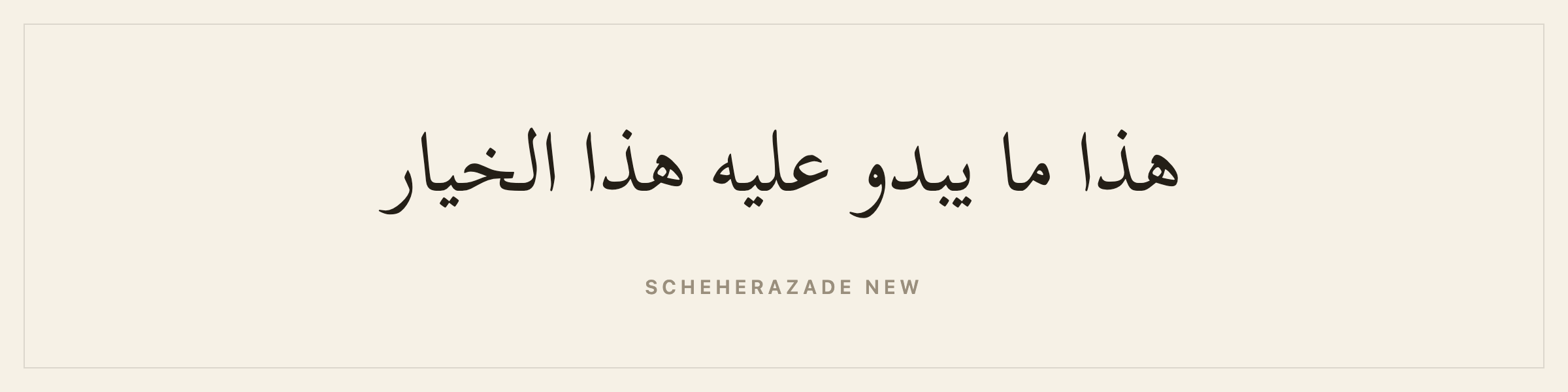
Sindhi has the largest Arabic-script alphabet of any language here, fifty-two letters, and most Arabic faces carry a fraction of them. Scheherazade New was built for exactly this, and it is on the shelf.
سنڌيءَ ۾ ناول لکڻ
گيلي اُها جاءِ آهي جتي توهان ناول لکو ٿا ۽ اُن مان ڪتاب ٺاهيو ٿا. پهرين جملي کان ئي توهان هڪ سچي ڪتابي صفحي تي لکو ٿا.
متن ساڄي کان کاٻي طرف لکجي ٿو، ۽ ٽي خط موجود آهن: اميري، نوٽو نسخ عربي، ۽ شهرزاد نيو.
آخر ۾ توهان وٽ ڇپائيءَ لاءِ تيار PDF ۽ صحيح EPUB هوندي. پروگرام جي ٻولي انگريزي آهي؛ ڪتاب سنڌي آهي.
Why Galley is the right book writing software for a novel in Sindhi
Sindhi has fifty-two letters. Arabic has twenty-eight. The difference is made up of characters built by adding dots in patterns Arabic never uses: ڀ ٿ ٺ ڦ ڇ ڄ ڃ and the rest. That makes font coverage the whole question for a Sindhi book, more than for any other language on this shelf, because a face cut for Arabic will render perhaps half of what you type and drop the rest.
Scheherazade New is the answer, and it is on the shelf. SIL built it specifically to reach the languages that borrow the Arabic script, and Sindhi is one of the languages it was extended for. Start there.
The second thing is that Sindhi in Pakistan is usually set in Naskh while Sindhi in India has historically been set in both Naskh and Devanagari. Galley sets the Naskh side. If your book is in Devanagari Sindhi, set the book’s language to Hindi to get the Devanagari shelf, and know that the hyphenation and the EPUB tag will be Hindi’s rather than Sindhi’s.
The third is the market: Amazon does not list Sindhi in any format. So the print-ready PDF and the valid EPUB are the whole product.
Everything else is the same app: a true book page at your trim, the story bible beside the manuscript, a print-ready PDF and a valid EPUB.
How Sindhi gets typeset
Coverage is the thing to check, and it is what the language filter is for.
Direction is a print decision. The recto is the left-hand page, margins and running heads mirror, and both exports declare right-to-left page progression.
Letters join, so headings do not letter-space.
There is no italic, no hyphenation and no kashida justification. Set a Sindhi book ragged right.
The typefaces you get for Sindhi
Three Naskh faces, all under the SIL Open Font License.
Scheherazade New is the one for Sindhi, for the coverage reason above.
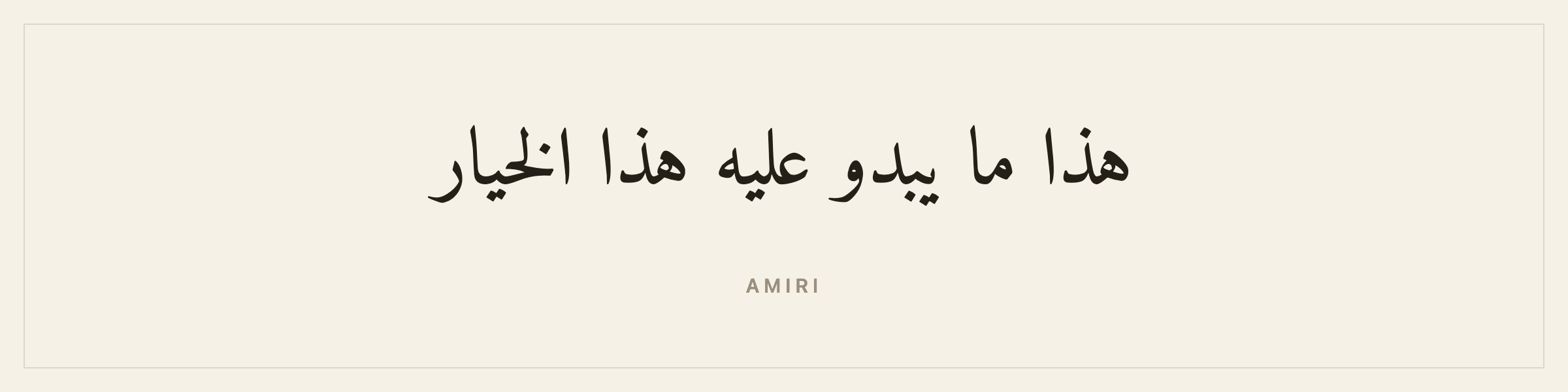
Amiri is the literary Naskh, modelled on the Bulaq Press types.
Noto Naskh Arabic is the broad default.
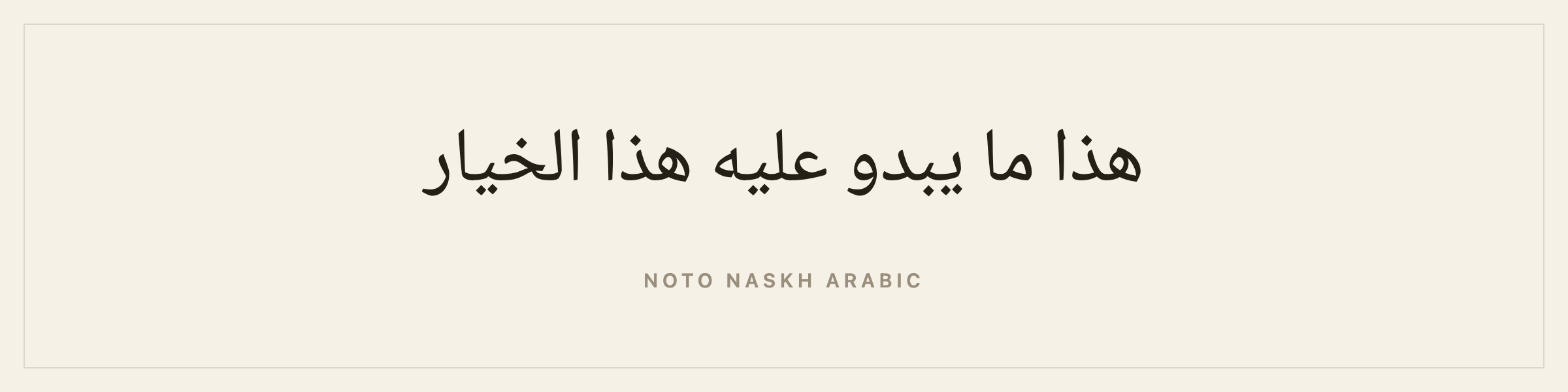
Check a sample page before you commit to Amiri or Noto for a Sindhi book. The typeface documentation lists every face by language.
Exports for a Sindhi novel
- Print-ready PDF at your trim, mirrored the correct way, shaped properly, font embedded.
- EPUB 3 with your cover, tagged
sd, with right-to-left page progression. - Store-ready EPUBs for Kobo and Apple Books.
- Word and Markdown for an editor or an archive.
- Manuscript format, double-spaced, running right to left.
- A proofreading PDF two pages to a sheet, and a large print PDF.
- A watermarked copy per beta reader.
The Amazon-shaped tools switch off on a Sindhi book and say why.
Sindhi punctuation
Sindhi uses the Arabic comma ،, question mark ؟ and full stop ۔. The digits are Arabic-Indic on screen and in the print PDF, falling back to Western digits in the Word export only.
Chapter headings are still the English default. If you write in Sindhi and want to tell me what the convention should be, say so.
How long a Sindhi novel is
Galley counts words, live, per chapter and per book, and projects a page count at your trim. The word count to page count converter helps here.
Trim sizes for a Sindhi book
Six standards, from mass market at 4.25×6.87 inches to Royal at 6.14×9.21. Pakistani publishing commonly uses demy and crown octavo, near the Digest at 5.5×8.5 inches. The trim size comparison and the spine width calculator do the sums.
Metadata and the copyright page
Every field detects its own direction, so a Sindhi title and a Latin ISBN both come out right. The copyright page writes itself from what you filled in.
Translating into or out of Sindhi
A translation in Galley is its own book: its own language, its own typeface shelf, its own ISBN, its own cover, still linked to the original.
There are pages on writing a novel in Arabic, writing a novel in Urdu and writing a novel in Pashto.
No machine touches the prose. Galley has no AI anywhere near your writing.
Self-publishing and traditional publishing in Sindhi
Self-publishing. Amazon is closed, so print goes to a Sindh printer or IngramSpark and the ebook goes to Google Play, Apple Books or Kobo.
Traditional publishing. Sindhi publishing runs through regional houses and the Sindhi Adabi Board. The submission package assembles the synopsis, the bio and the opening chapters.
The same book exports both. The longer arguments are in Galley for self-publishing and Galley for traditional publishing.
Where to go next
- Writing software for novelists who don’t write in English covers every script Galley sets.
- Book design and typefaces lists every face by language.
- Series and translations covers the full language list.
- From manuscript to published book is the whole route.
Questions people ask about writing a novel in Sindhi
Do all the Sindhi letters work?
Scheherazade New carries the Sindhi set, which is why it is the face to start with. SIL built it to reach the languages that borrow the Arabic script, and Sindhi is one of the languages it names.
Can I sell a Sindhi book on Amazon KDP?
No. Amazon does not list Sindhi in any format. The print PDF goes to a printer in Karachi or Hyderabad, or to IngramSpark, and the EPUB goes to any store that takes one.
Does the print PDF handle right-to-left?
Yes. The gutter, running heads and folios mirror, chapters open on the left-hand page, and the PDF declares right-to-left page progression.
Does Sindhi get italics?
No. The Arabic script has no italic tradition, so the button is hidden instead of offering a slanted Naskh.
Other languages
- Book writing software for ArabicWrite and typeset an Arabic novel: right to left, set in Amiri or Noto Naskh, with a complete print pipeline. Including the Amazon rule that catches Arabic writers out.
- Book writing software for UrduWrite and typeset an Urdu novel in Nastaliq, not Naskh: two cascading faces, right-to-left print, real shaping in the PDF, and an honest account of the gap that remains.
- Book writing software for PashtoWrite and typeset a Pashto novel: right to left, set in a Naskh face that carries the Pashto letters, with a print-ready PDF and a valid EPUB.