Translating Your Own Novel
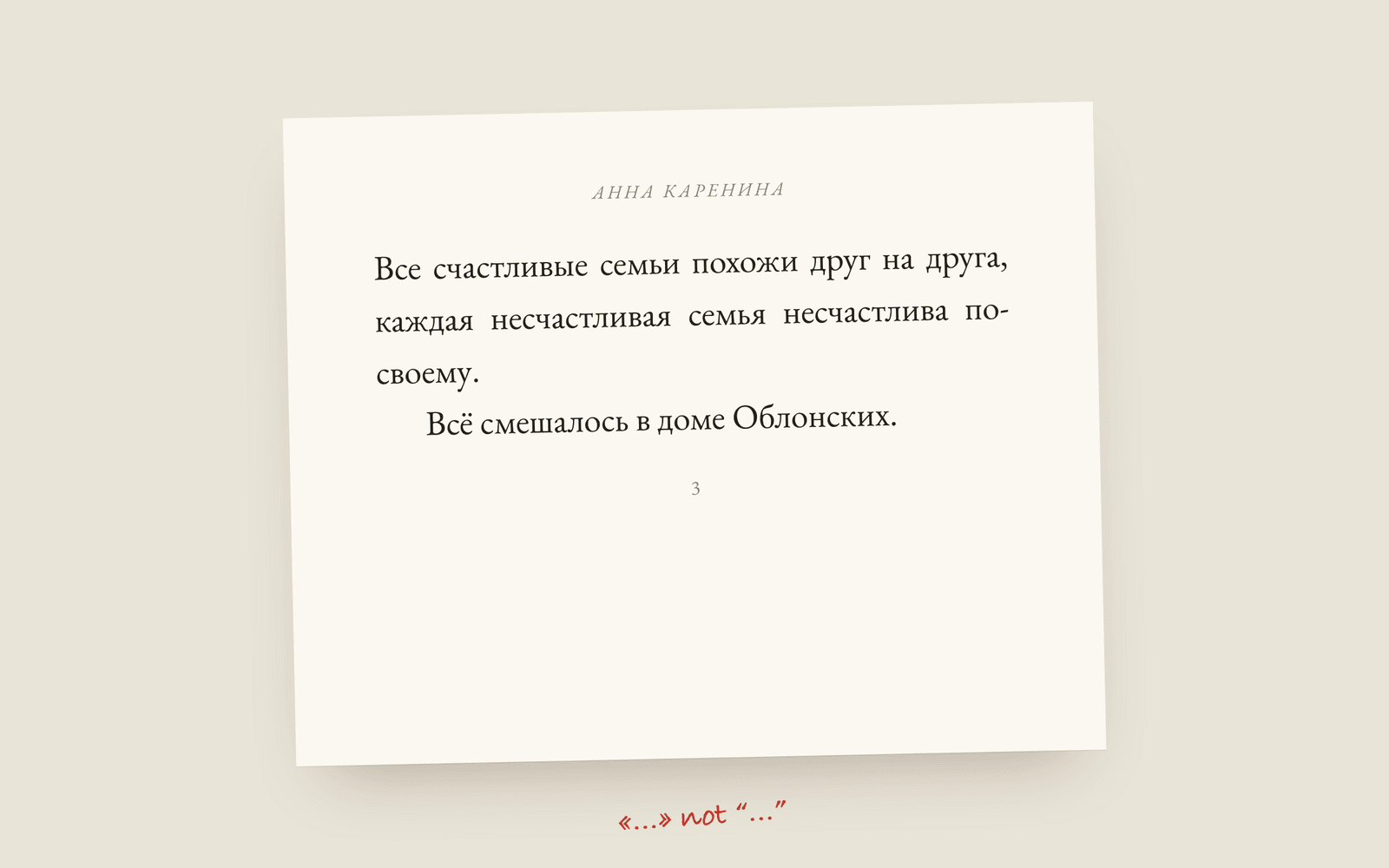
Self-translation is closer to rewriting than translating, because you know what you meant and you'll want to change it. Go paragraph by paragraph with the original beside you, decide early what happens to names, jokes and cultural references, and keep a style sheet for the new language. The typesetting changes too: quote marks, hyphenation and sometimes the typeface.
Some of the best-known writers translated their own books. Samuel Beckett wrote in French and English and moved his work both ways. Nabokov rewrote Lolita in Russian himself. Most writers who try it say the same thing: it’s harder than translating someone else, because you keep wanting to fix the book.
If you write in two languages, it’s also one of the cheapest ways to reach a second market as a self-publisher, because a professional literary translation of a 90,000-word novel costs thousands.
It’s a rewrite, mostly
A translator working on someone else’s book tries to stay close to it. When it’s your book, you know what you meant, and you’ll find sentences where you got it wrong the first time. That’s fine, as long as you decide how far you’ll let yourself go. Two editions that tell slightly different stories are a problem when readers compare them (and some will).
A rule that works for a lot of writers: fix what doesn’t work in the new language, don’t fix what you’d do differently now. Keep a list of the second kind for the next edition of the original.
Decide these early
- Names. Keep them, or adapt them? A character called Hope in English loses the meaning in German. Decide once, and write it down.
- Jokes and wordplay. They rarely survive. Either find a different joke that does the same job or cut it.
- Cultural references. A brand, a TV show, a dish. Some travel, some need explaining, some need swapping.
- Register. Many languages have formal and informal “you” (tu/vous, du/Sie). English doesn’t, so you have to decide who calls whom what, and when that changes.
- Units, money, dates. Miles or kilometres? Keep the original setting’s units, usually, but be consistent.
Put all of it in a style sheet for the translation, the same as you would for the original.
The typesetting changes too
A translated book isn’t just different words in the same layout:
- Quote marks. German uses „these“, French uses « these » with spaces inside, Swedish uses ”these”. Getting this wrong is the first thing a native reader notices.
- Hyphenation. Justified text needs the new language’s hyphenation rules, or you get bad breaks and loose lines.
- Length. German and French usually run longer than English, so the page count (and the spine) changes.
- Typeface. If you’re translating into a language with a different script, you need a face that can set it. Writing in your own language has which faces work for which scripts.
Rights, if you’re traditionally published
If you have a publisher, check your contract before you start. Translation rights are often held by the publisher or your agent and sold separately, and a self-published translation could break the deal. The glossary has subsidiary rights and territorial rights if the contract uses those terms.
How Galley does it
In Galley a translation is a separate book linked to the original. Create translation copies every chapter and part in order, copies the story bible (characters, places, glossary, world-building, research and the style sheet), and leaves the chapters empty for you to write into. The book’s language is set to the new one, so the quote marks you type become that language’s, the print PDF hyphenates by its rules, and the EPUB is tagged with it.
When you open a chapter of the translation, the editor splits in two, with the original on the left (read-only) and your translation on the right, so you can go paragraph by paragraph. It has its own cover, ISBN and blurb. The steps are in start a translation, and the rest is in the series, editions and translations docs.
More on publishing
- Kindle Unlimited Page Reads: How KENP PaysHow Kindle Unlimited pays authors through KENP page reads, roughly what a page is worth, how many KENP pages your novel is, and when a borrow beats a sale.
- KDP Royalties Explained: 35%, 70% and the Paperback MathsHow Amazon KDP pays for ebooks and paperbacks: the 35% and 70% ebook bands, the delivery fee, the paperback royalty and printing cost, and worked examples for a typical novel.
- The Copyright Page for a Novel, Line by LineWhat goes on the copyright page of a self-published novel, which lines are required, which are habit, and the wording most novels use.