Should Your Novel Have a Prologue?
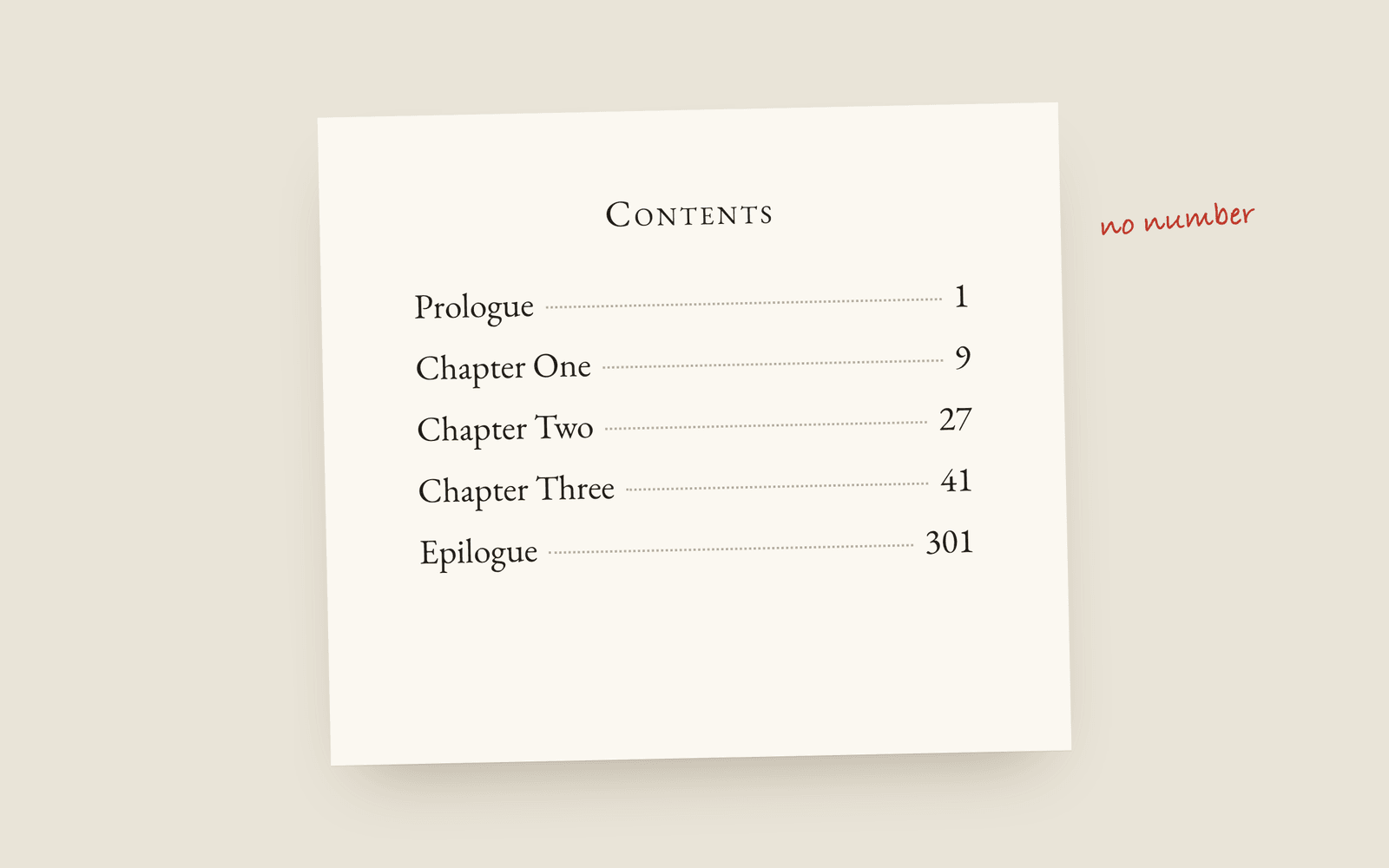
A prologue works when it's set apart from the main story in time, place or point of view, and the book would lose something without it. It doesn't work as a warm-up, an info dump or a teaser from later in the book. In print a prologue has no chapter number, starts on its own page like a chapter, appears in the contents as Prologue, and chapter one is still chapter one.
Ask a room of agents about prologues and you’ll get a groan. Plenty of them say they skip prologues in submissions and go straight to chapter one, and some say a prologue makes them less likely to request. Then you look at the bestseller list and half the fantasy novels on it open with one.
Both things are true. Prologues aren’t banned. Bad ones are just very common.
The kinds that work
- A different time. Something that happened years before the main story and shapes it. A death, a crime, a prophecy, a war.
- A different point of view. The killer, before the detective arrives. A character we won’t meet again.
- A frame. Someone telling the story, or finding it. The story inside is the novel.
What those have in common is that they’re separate from chapter one. If the prologue could be called “Chapter One” without anything changing, it’s chapter one.
The kinds that don’t
- The warm-up. Pages of background before the story starts. That’s an info dump with a heading.
- The teaser. A dramatic scene from the middle of the book, then “Three weeks earlier”. It can work in a thriller, once. Mostly it tells the reader the real opening isn’t interesting enough.
- The dream. Someone wakes up at the end of it. Readers feel cheated.
- A substitute for a good first chapter. If you need the prologue to hook the reader because chapter one doesn’t, fix chapter one.
If you’re querying
Agents usually ask for the first pages or first chapters. If you have a prologue, that’s part of the first pages. Some writers send chapter one instead, or rewrite the prologue as chapter one for submission. Read the agent’s guidelines. If they say “first three chapters”, a short prologue plus chapters one and two is normally fine.
Epilogues and interludes
An epilogue is the same idea at the other end: a scene set after the story ends, in a different time or point of view. It works when the reader wants to know what happened next. It doesn’t work when it ties up threads the ending should have tied up.
An interlude sits between parts or chapters, usually from somewhere outside the main story. Fantasy and literary fiction use them most.
How they’re laid out
In a printed book:
- A prologue starts on its own page, laid out like a chapter opening.
- It has no chapter number. It’s called “Prologue” where a chapter title would go, including in the table of contents.
- Chapter one stays chapter one. Numbering starts after the prologue.
- An epilogue comes after the last chapter, still in the main text, before the back matter like the acknowledgements.
A prologue is part of the story, so it’s not front matter, even though it comes first. The front matter order post has where everything else goes.
How Galley does it
In Galley you add one with Add prologue or epilogue at the bottom of the chapter sidebar. It gets the chapter layout without the chapter number, keeps the word “Prologue” wherever a chapter title would print (including the contents), and your first chapter stays Chapter One. Interludes work the same way, anywhere in the book.
They count as part of the manuscript, so word counts and the revision checks include them. Delivery readiness tells you if the prologue isn’t first or the epilogue isn’t last, but doesn’t stop you exporting. It’s all in the structure docs.
More on craft
- Conan Doyle Used “Upon” 465 Times: Overused Words in FictionThe filler words fiction editors cut first, real counts from The Adventures of Sherlock Holmes, and how to find your own habits without reading the whole draft again.
- How Many Words Should a Chapter Be?Typical chapter lengths in novels by genre, why there's no rule, and how to tell whether one of your chapters is too long or too short for the book around it.
- How Long Should a Novel Be? Word Counts by GenreThe word-count ranges agents and readers actually expect (fantasy, romance, thriller, YA, literary), and what to do if you're way over or under.